Worship
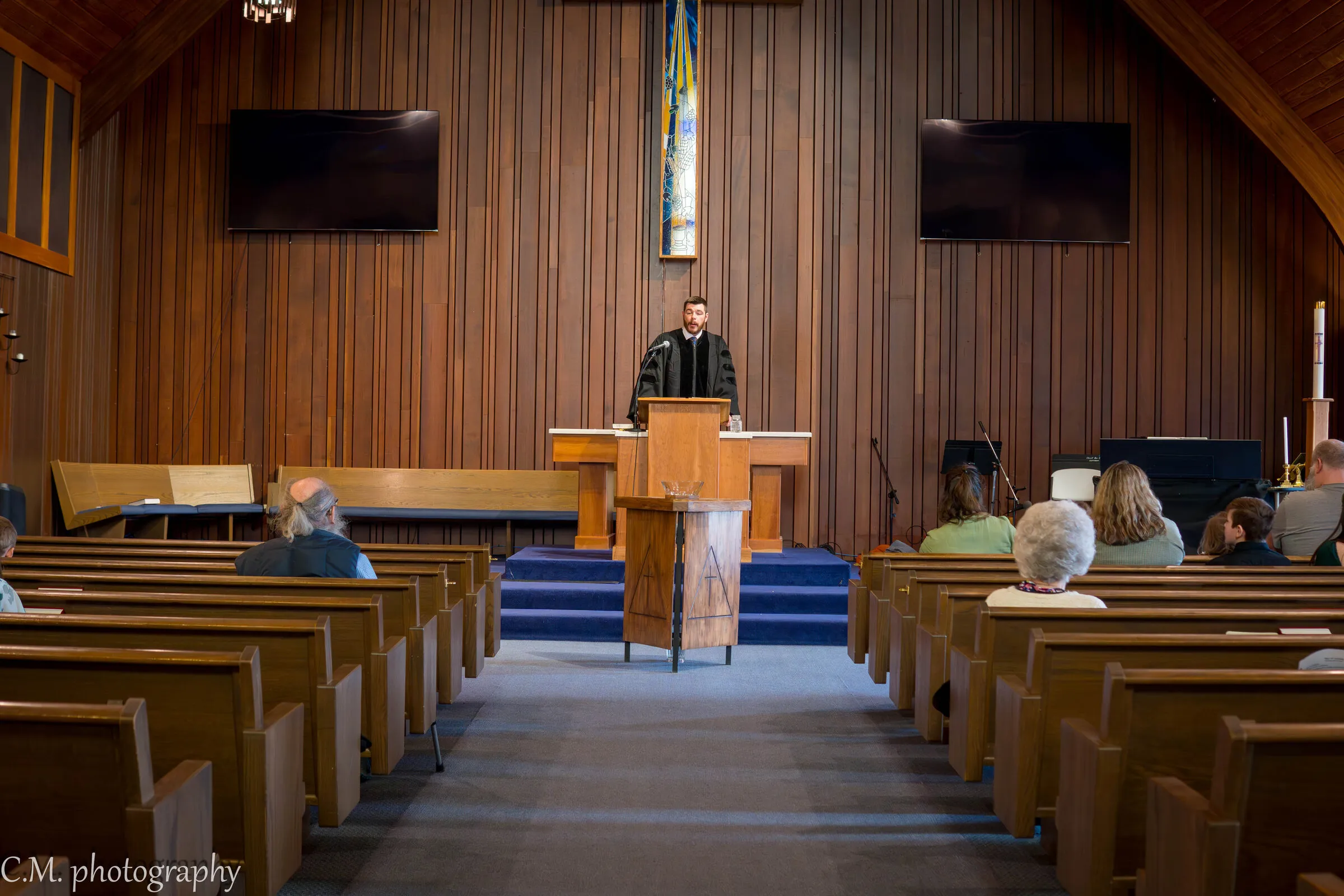
At Redeemer we observe the Regulative Principle of Worship, which means our Sunday worship follows the patterns of worship prescribed by God through His Word. Our worship is officiated by a minister but requires the participation of the congregation. As a result our worship is traditional and historical inasmuch as it is Biblical. And so, everything we do is centered around and regulated by Holy Scripture.
01God Calls His People
Every worship service begins with God calling His people to worship Him. God’s people don’t summon God to come down to us, rather it is God who summons His people into His presence to hear His voice. During the call to worship the worship leader will read an exhortation to God’s people, usually from a psalm. God’s people will then respond to the voice of the Lord in a responsive reading. Just as God called Israel out of the land of Egypt, He calls His people out of the bondage of sin. Just as Christ called Lazarus out of the tomb, He likewise brings spiritual dead souls back to life by the Holy Spirit so that we may respond to His voice in love, obedience, and reverence. (Ps 95:1-7; Heb 10:24, 25)
02Praise
Like children who learn to speak by example, we learn to praise God by using the words He gave to us in the 150 psalms of scripture. We consider the psalms, and biblically faithful hymns to be sung prayers to our Father in Heaven and instructive to our fellow believers. We use instruments to aid our singing, but the emphasis is always on the voices of the congregation. (Ps 150:1-6; Col 3:16)
03God’s Will for His People
Early in our service we hear God’s will through the commands in scripture. God’s law reflects God’s holiness and reveals that all men fall miserably short of His glory. (Romans 7:7)
04Confession of Sin
Our worship follows the flow of the gospel. This begins with the understanding that we are all guilty sinners in desperate need of God’s grace. During this time we ask the Lord to cleanse us from our wickedness and the Holy Spirit to conform us to the likeness of Jesus Christ. (Psalm 32:5; 1 John 1:9)
05Assurance of Pardon
No pastor or priest can forgive sins. We look to God alone for forgiveness which is only found in the cross of Jesus Christ. During the assurance of pardon a minister declares what is promised in scripture, if we confess our sins, Jesus is faithful and just to forgive us our sins and to cleanse us from all unrighteousness. (Ezekiel 36:26; Luke 5:20, 21)
06Confession of Faith
With renewed hearts, God’s people have the privilege to say, with one voice, faithful summaries of the Christian Faith as they are revealed in holy scripture. We do this using the words of historic creeds and confessions. (2 Timothy 2:11–13; Jude 1:3)
07Prayer
God cares for our eternal needs and also for our daily needs. In worship we get the immense privilege of lifting up our daily needs to God in prayer, knowing that the Holy Spirit helps us and intercedes for us. (Psalm 55:22; Philippians 4:6)
08God Speaks
Christians long to hear the voice of God speaking directly to us. This happens through the preaching of His word. We are committed to Christ-centered, historical-redemptive, faithful preaching of God’s written word. We trust that the Holy Spirit causes the word to be effective in our hearts and minds. (Nehemiah 8:1-8; Hebrews 4:12)
09Sacraments
God has given His people 2 rituals that act as visible signs of God’s promises and seals (or marks) which publicly distinguish us as God’s people. Baptism is the initiation rite for all believers and their families. This ritual does not save but represents how God saves His people from their sins. In baptism a minister pours water over the one being baptized, signifying to us that Christ’s blood and Spirit washes away the impurity of our souls by faith. Even though the children of believers do not understand all this, we do not exclude them from baptism. (Acts 2:39; Colossians 2:11-15)
The Lord’s Supper is the celebratory feast for professing believers who are baptized members of Christ’s church. By partaking in the supper, we are remembering Christ’s atoning death on the cross, receiving spiritual nourishment by His Holy Spirit, while Christ reaffirms our union with Him as we enjoy His real and spiritual presence. (Matthew 26:26-29; 1 Corinthians 11:23-32)
10Doxology
After hearing God’s word and seeing His covenant reaffirmed to His people, we respond with the praise and glory due His name. (Psalm 29:1, 2; Revelation 14:7)
11Giving
It is the great delight of God’s people to make offerings to the Lord. In this act of worship we affirm that we are merely stewards of the resources God has given us, and trust that as surely as He feeds the birds of the air and clothes the lilies of the field, He will provide for our needs. (Deuteronomy 16:17; 2 Corinthians 9:7)
12God’s Blessing
God formally ends our worship service with His blessing in which His people receive assurance that no matter what happens, happy or tragic, we are eternally safe and secure as His beloved people. (Numbers 6:23-27; Luke 24:50–51)
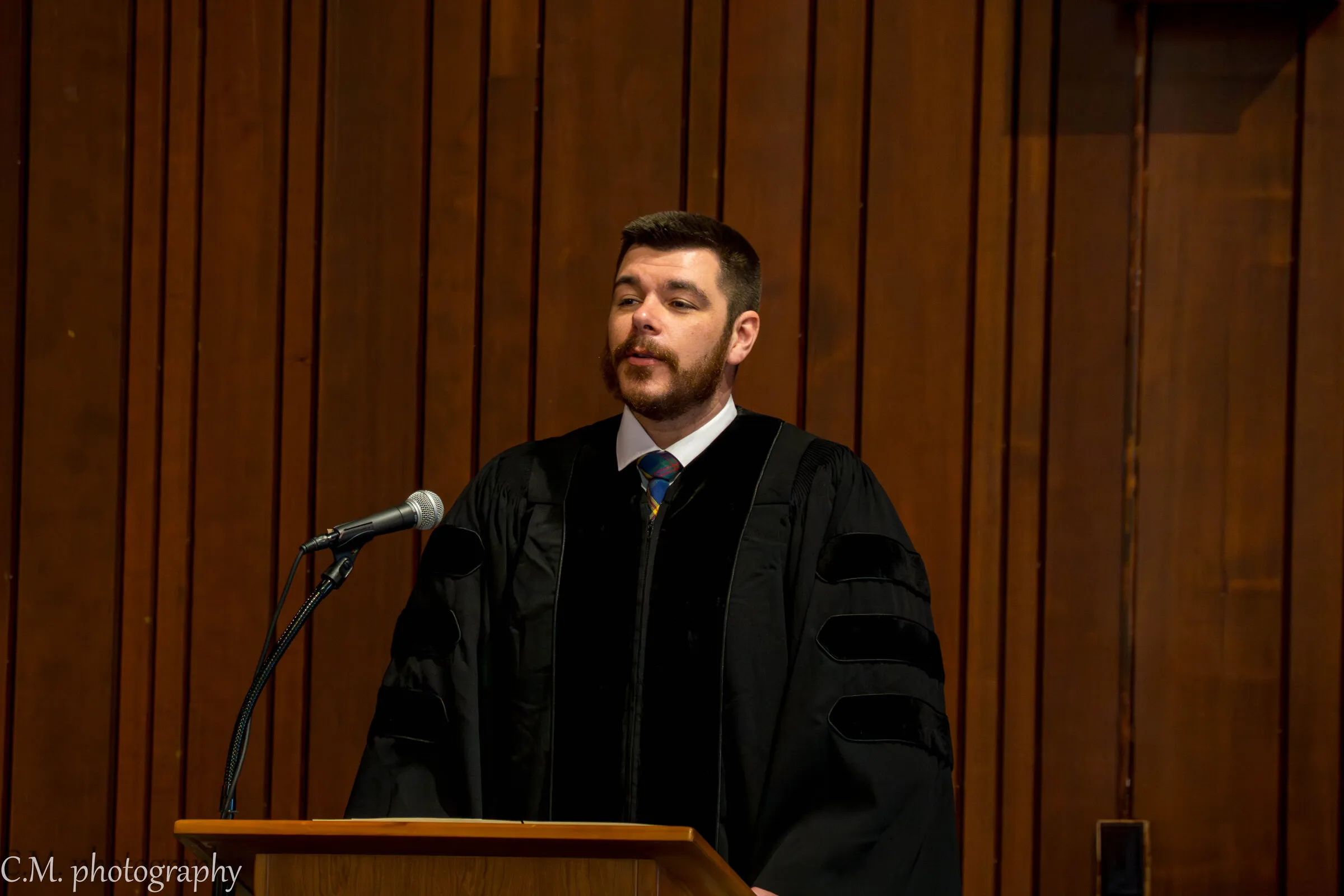
Why does the Pastor wear a robe?
At our church, you will notice the pastor wears a black robe (traditionally called a Genevan gown) during worship services. We do this not out of a desire for empty ritual, but for a deeply meaningful, historical reason: it hides the individual personality and personal fashion of the pastor so that the focus remains entirely on the office of the ministry and the message of God's Word. This simple, humble tradition dates back to the Protestant Reformation and serves to create an atmosphere of reverence, helping us look past the person in the pulpit and focus completely on Christ.