Apostles’ Creed
An ecumenical symbol of faith and summary of foundational Christian beliefs.
We believe that God has revealed Himself to man. God’s revealed word was written down by the prophets and apostles and entrusted to the Church to be a blessing to the world. In it He has given us the words of eternal life and comfort for all who call on the name of Jesus Christ. As such, the 66 books of the Old and New Testament are our highest authority for what man is to believe concerning God, and what duty God requires of man. We believe that the truths of the Bible can be understood and faithfully summarized. Our creeds and confessions are historic and faithful summaries of the truths in the Bible. They serve us as a means to preserve Biblical Doctrine, teach our children, and hold everyone (especially teachers) accountable to God’s authoritative Word.
An ecumenical symbol of faith and summary of foundational Christian beliefs.
A statement of belief focused on Trinitarian doctrine and Christology.
A statement of the early church in opposition to certain heresies, especially Arianism.
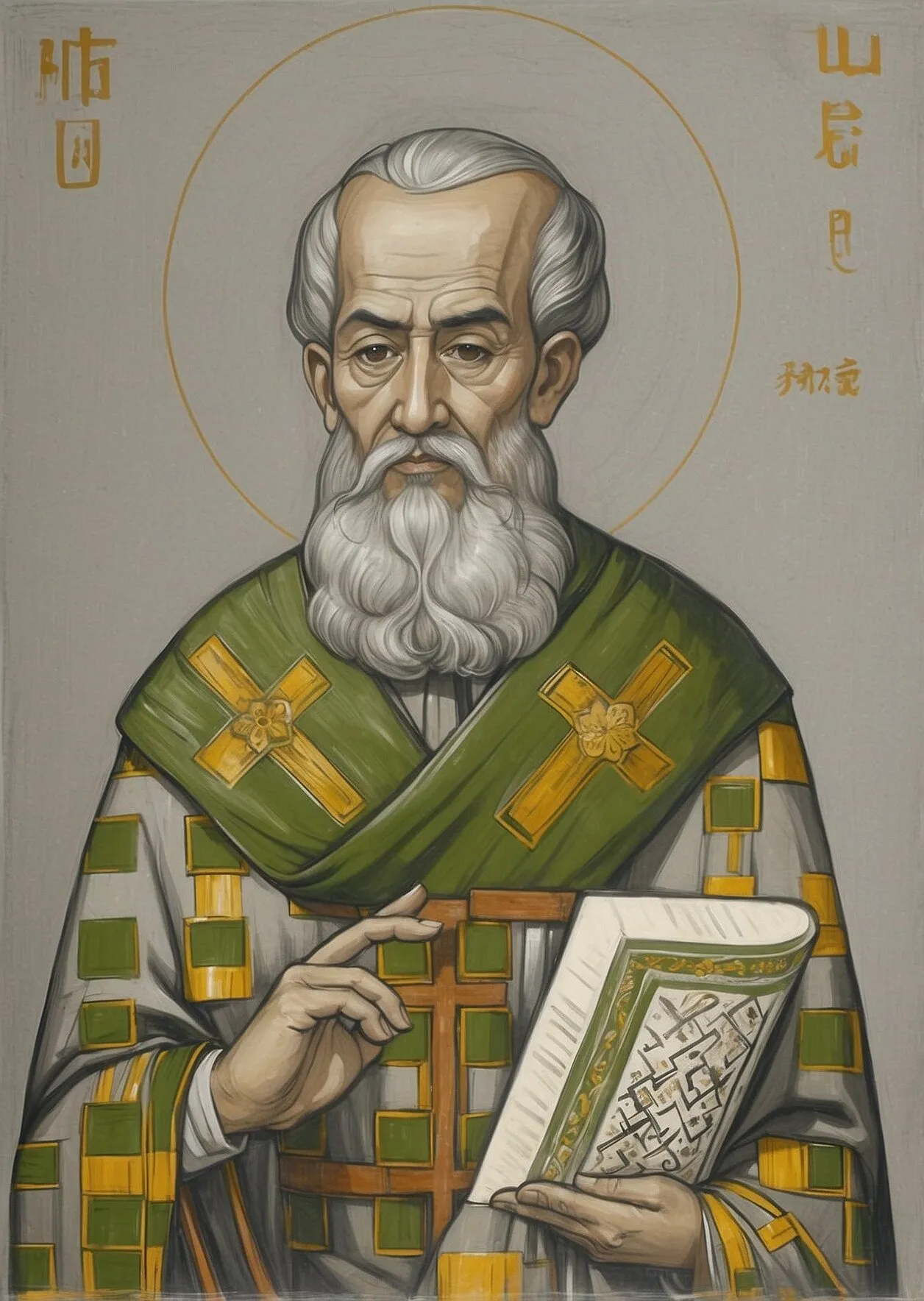

The Heidelberg Catechism, written in 1563, is a remarkably warm-hearted and personalized confession of faith.
The Belgic Confession, written in 1561, takes pains to point out the continuity of Reformed belief with that of the ancient Christian creeds.
The Canons of Dort is a very finely tuned piece of theological writing, ably delineating a biblically Reformed perspective on matters central to Christian life and experience.
As a church we also subscribe and use the Westminster Confession of Faith and Catechisms